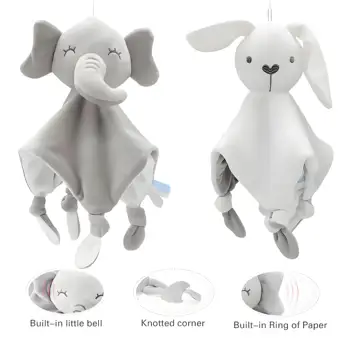
A dedicated play space can give children an area where they can create, imagine, move, and enjoy their favorite activities. It doesn’t have to be a large room filled with toys. Even a small corner can become an inviting place for play when it is arranged with the child’s needs and interests in mind.
The goal is to create an environment that feels welcoming while remaining practical for everyday family life. With thoughtful organization, comfortable surroundings, and room for creativity, parents can turn an ordinary part of the home into a space children enjoy returning to.
Choose a Practical Location
The first step is deciding where the play area will be. A spare room isn’t necessary. An open corner of a bedroom, living room, or other suitable area can work just as well.
Choose a location where children can comfortably play and where parents can keep an eye on them when needed. Consider the available floor space, lighting, storage possibilities, and how the area will fit into the rest of the home.
A practical location makes it easier for children to use the space regularly instead of treating it as an area that is only used occasionally.
Keep the Setup Comfortable
Children are more likely to settle into play when their surroundings feel comfortable. Depending on the space, consider adding a soft rug, floor cushions, a small seating area, or another comfortable surface.
Good lighting can also make a difference. Natural light can create a pleasant daytime environment, while suitable indoor lighting allows the space to remain useful when the weather is gloomy or daylight fades.
The objective is to make the area inviting without filling every available space with furniture or decorations.
Organize Toys and Activities
An organized play space can make it easier for children to find what they want and return items when they’re finished. Instead of keeping everything in one large container, consider grouping items according to how they are used.
For example, creative supplies can have their own area, while building toys, games, and pretend-play items can be stored separately. Clearly defined spaces can make the room feel less cluttered and help children understand where different things belong.
Accessible storage can also encourage kids to take greater responsibility for tidying up after play.
Leave Room for Creativity
A play area shouldn’t be so carefully arranged that there is no space left for children to create. Open floor space can become a building area, pretend-play setting, or place for movement depending on what they want to do.
Try to avoid filling the entire area with furniture or permanent decorations. Leaving some flexibility allows children to change the setup according to their current activity.
An adaptable environment can make the same space feel different from one day to the next.
Add Personal Details
A child’s play area can feel more special when it reflects their personality. Their favorite colors, artwork, books, soft toys, or other meaningful items can add character without requiring an elaborate makeover.
Displaying their own creations can also make the space feel like something they helped build. Parents can invite children to choose where certain items belong or help decide how the area should look.
Small personal touches can turn a basic corner into a space that feels uniquely theirs.
Make Cleanup Part of the Routine
A creative play space still needs to work for the whole household. Building simple cleanup habits into playtime can help keep the area manageable.
Storage should be easy enough for children to use independently. A quick tidy-up at the end of an activity can prevent toys and supplies from gradually spreading throughout the home.
Keeping the setup simple also makes it easier to maintain. A play space doesn’t need to stay perfectly organized; it simply needs a system that works for the family.
Build a Space That Can Change
Children’s interests naturally evolve, so their play area should have some flexibility. What excites them today may be replaced by a completely different interest later.
Rather than designing a space around one specific activity, create a foundation that can adapt. Open floor space, flexible storage, comfortable seating, and room for creativity can continue to serve children as their preferences change.
A well-planned play space isn’t about creating a picture-perfect room. It’s about giving children a comfortable environment where they can explore their imagination and enjoy being themselves.
Explore our product collection for playful essentials that can help bring a child’s space to life.