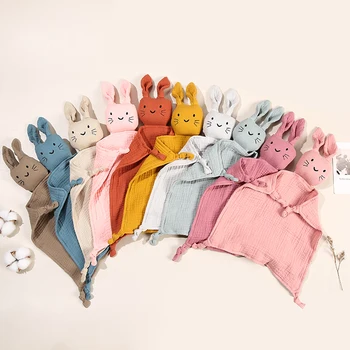
A stuffie can quickly become more than just another toy in a child’s collection. For many children, a soft companion can become part of bedtime routines, imaginative adventures, quiet moments, and everyday play. Because these toys can have such a familiar place in a child’s routine, choosing one involves more than simply finding the cutest design.
Parents can consider several practical details before bringing home a new stuffie. Looking at its size, materials, construction, and intended use can help make sure the choice is comfortable, suitable, and enjoyable for the child.
Start With the Right Size
Stuffies come in many shapes and sizes, and the best option can depend on how a child plans to use it. A smaller plush may be easier for little hands to carry around, while a larger one might work better as a cozy companion during quiet time.
Think about where the stuffie will spend most of its time. If a child likes taking toys on trips or carrying them from room to room, a lightweight option may be more practical. For bedroom use, a larger design may fit naturally into their sleeping or relaxation space.
Choosing an appropriate size can make the stuffie easier and more comfortable for everyday use.
Pay Attention to Materials
Softness is naturally one of the first things children notice about a stuffie, but parents should also look at what the toy is made from. The fabric should feel comfortable and be appropriate for regular handling.
It’s worth checking the product information for details about the outer material and filling. Parents may also want to consider whether the stuffie is designed for easy cleaning, especially if it is likely to be carried around frequently or brought along during meals and outdoor activities.
A comfortable material combined with practical care requirements can make a stuffie easier to enjoy over time.
Check the Construction
A stuffie may receive plenty of hugs, carrying, squeezing, and imaginative treatment, so construction matters. Examine the stitching, seams, attached features, and overall finish before making a choice.
Details such as securely attached components can be especially important when selecting toys for younger children. Always follow the manufacturer’s recommended age range and safety guidance.
A well-constructed stuffie can better handle the everyday affection and activity that often comes with being a favorite toy.
Think About the Child’s Personality
The perfect stuffie isn’t necessarily the most popular design. Children often develop strong preferences for certain colors, animals, characters, shapes, or personalities.
Pay attention to what naturally catches the child’s attention. If they enjoy animals, an animal-shaped stuffie may spark their interest. A child who loves imaginative stories might enjoy a character that can become part of pretend-play adventures.
Matching the choice to the child’s personality can make the toy feel more special and encourage them to interact with it in their own way.
Consider How It Will Be Used
Before buying, think about the role the stuffie is likely to play. Some children may primarily use one for cuddling and comfort, while others may incorporate it into games and stories.
If the toy is likely to travel frequently, portability and durability may be important. If it will mainly stay in the bedroom, softness and size may take priority.
Thinking about everyday use helps parents choose something that fits naturally into the child’s routine rather than simply selecting an appealing design.
Choosing With Care
A good stuffie combines qualities that make it enjoyable and practical. Comfort, appropriate sizing, suitable materials, secure construction, and a design that reflects the child’s interests can all contribute to a satisfying choice.
Taking a few moments to consider these details can help parents find a soft companion that children will be excited to cuddle, carry, and include in their everyday adventures.
Explore our product collection to discover charming stuffies and playful picks for kids.